Dinosaurs / Iguanodonts
Barilium
Dinosaur Early Cretaceous
Barilium was an iguanodont that lived in the Early Cretaceous, 137 to 121 million years ago.
- Mass
- 4.3 tonnes
- Lived
- 137 to 121 million years ago
- Fossil finds
- 5
The size of Barilium
Its body mass is estimated at 4.3 tonnes (4.7 short tons), about as heavy as 9 horses.
Mass: Benson and others, body mass data, CC0, read 2026-11-15.
Name
Name and family
The genus was named by Norman in 2010.
Its one listed species is Barilium dawsoni.
It is classed as a herbivore, a diet the database records for Ornithopoda as a whole.
It is one of 116 iguanodonts in the Paleobiology Database.
Family tree
- Ornithopoda
- Iguanodontia
- Euiguanodontia
- Dryomorpha
- Ankylopollexia
- Neoiguanodontia
- Iguanodontidae
- Barilium
Fossils
Where Barilium has been found
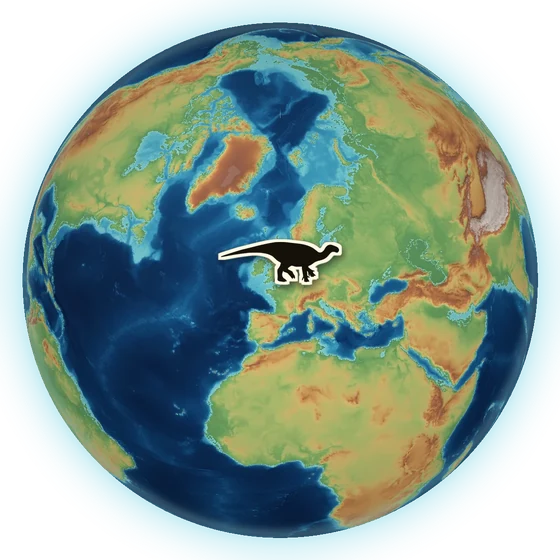
Five fossil finds of Barilium are recorded, in the United Kingdom.
The finds come from 3 rock formations, most often the Wadhurst Clay Formation (2).
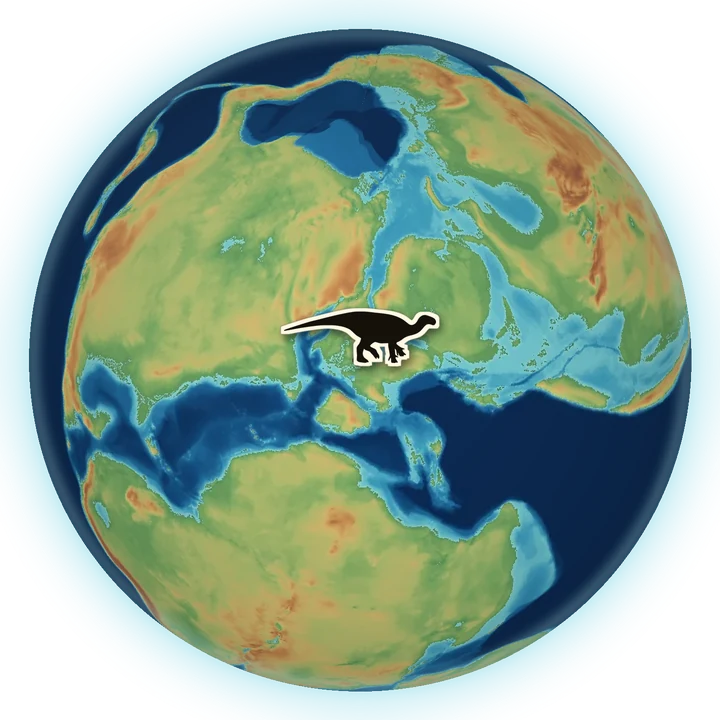
When Barilium lived, these sites lay near 42 degrees north; today they are near 51 degrees north.
On the atlas's maps its finds appear at 135 and 125 million years ago.
Neighbours
Its world
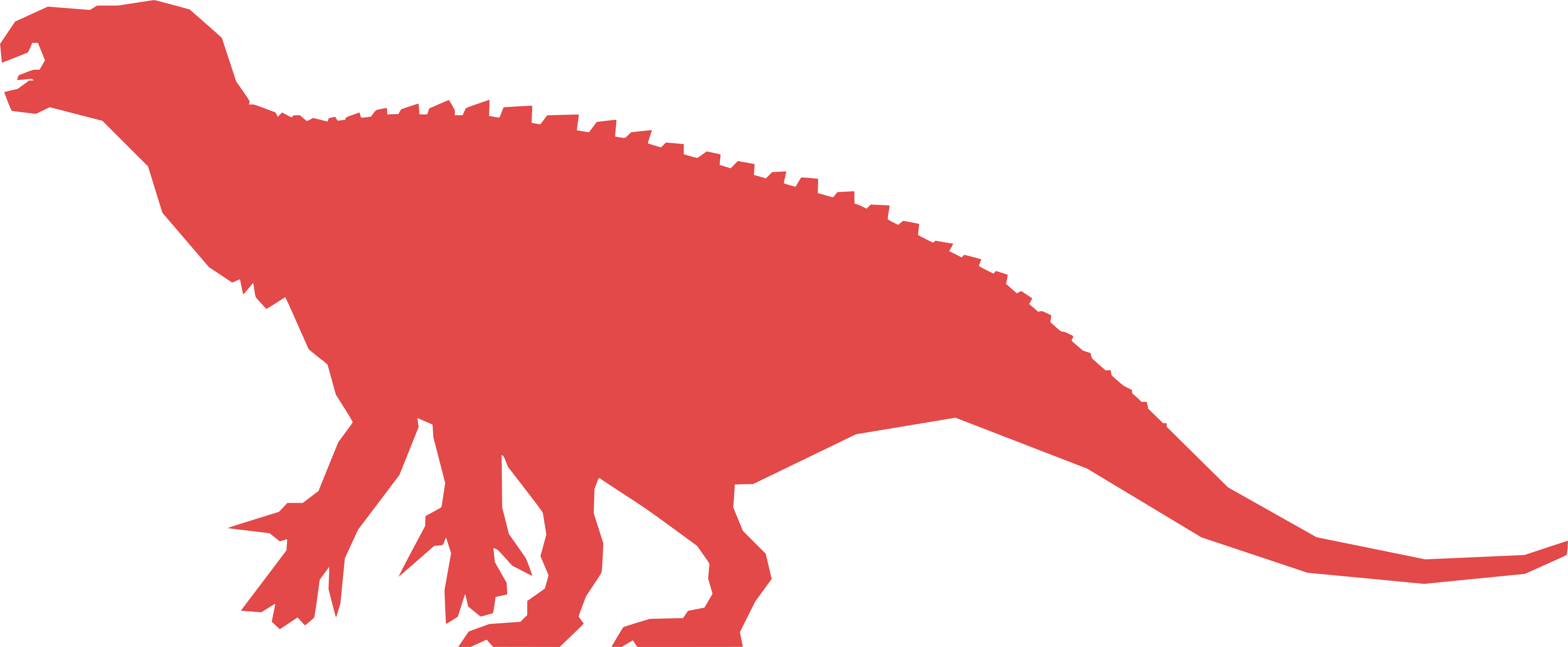
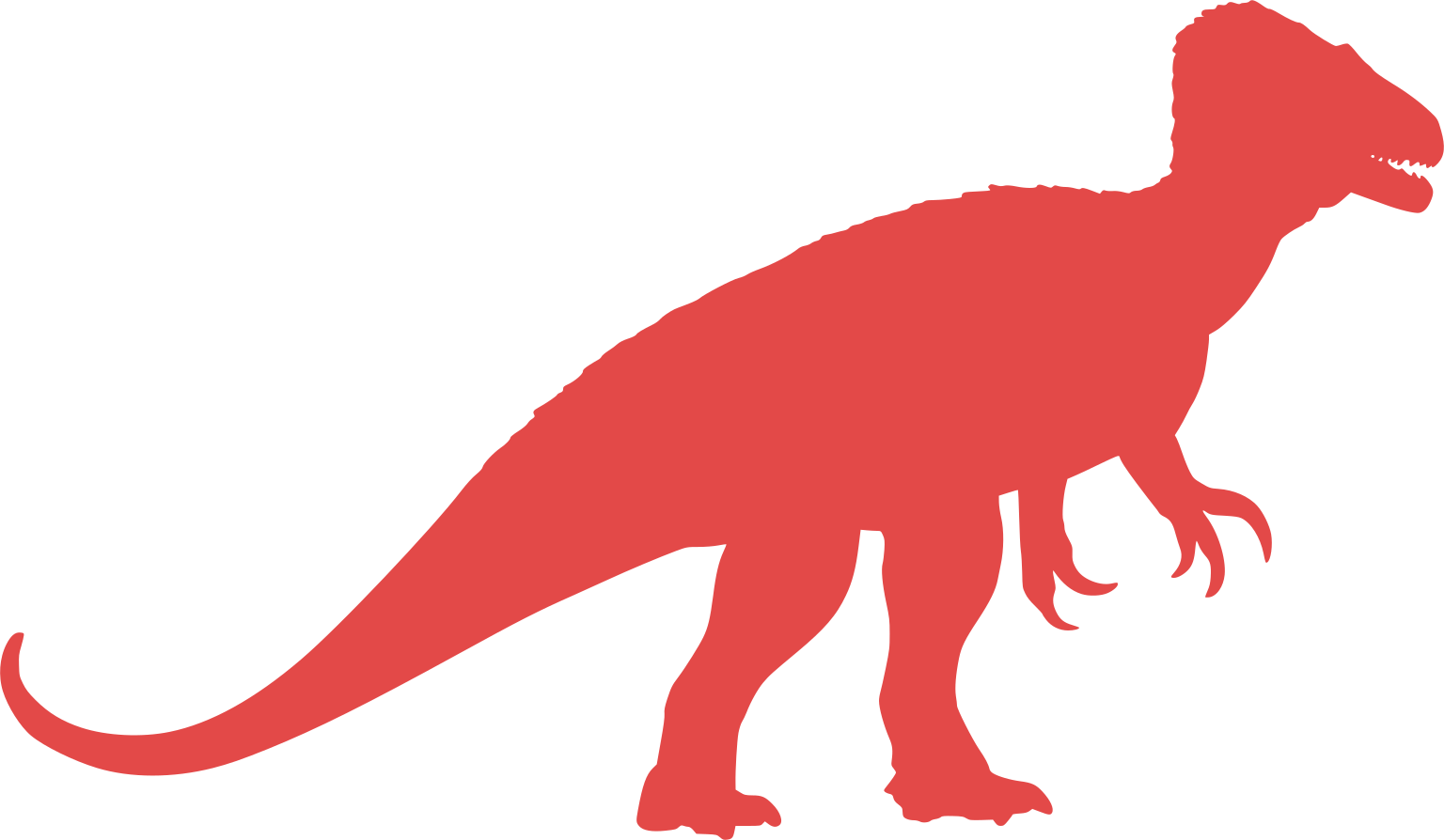
Animals found in the same rock formations include Iguanodon, Hylaeosaurus, Megalosaurus and Polacanthus.
Found in the same rocks
 Iguanodon
 Megalosaurus
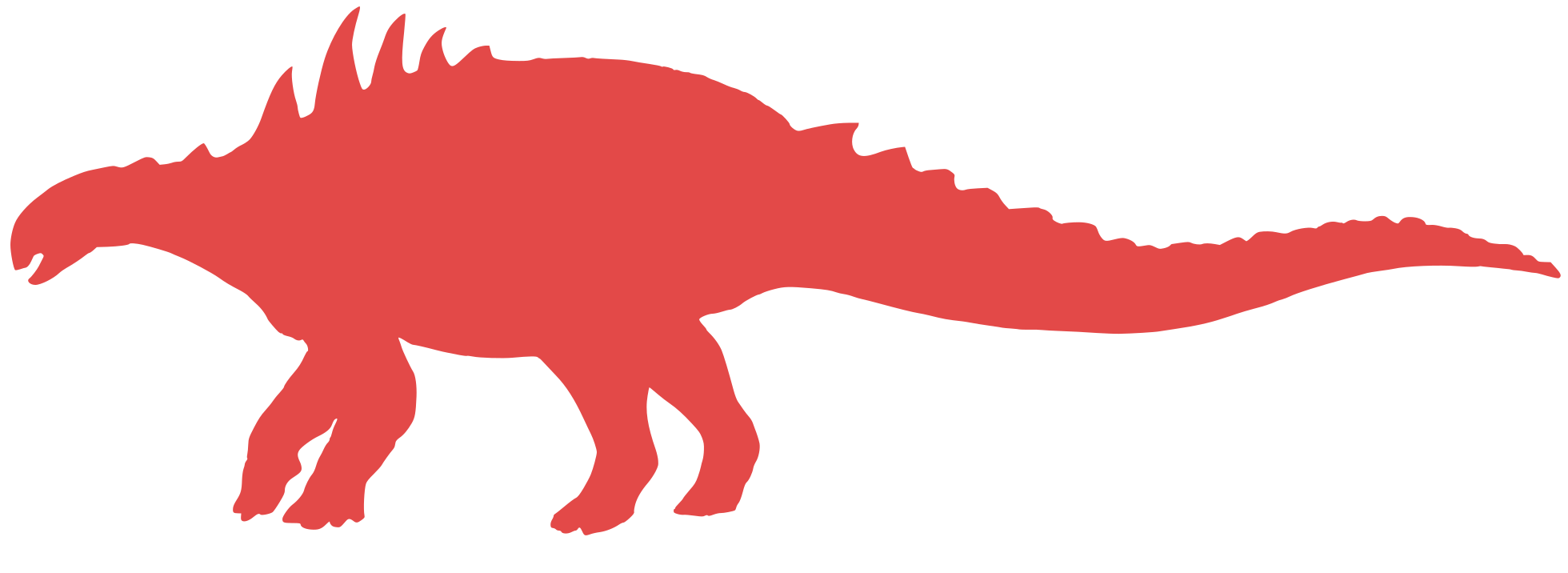 Polacanthus
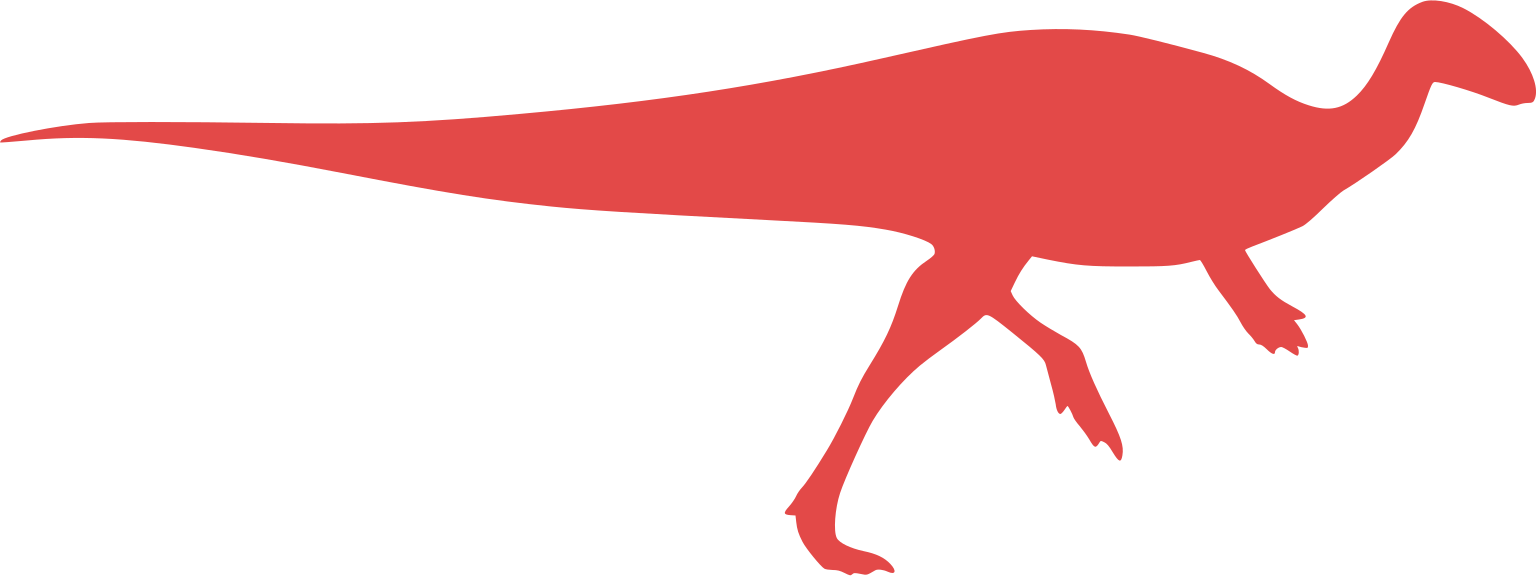 Valdosaurus
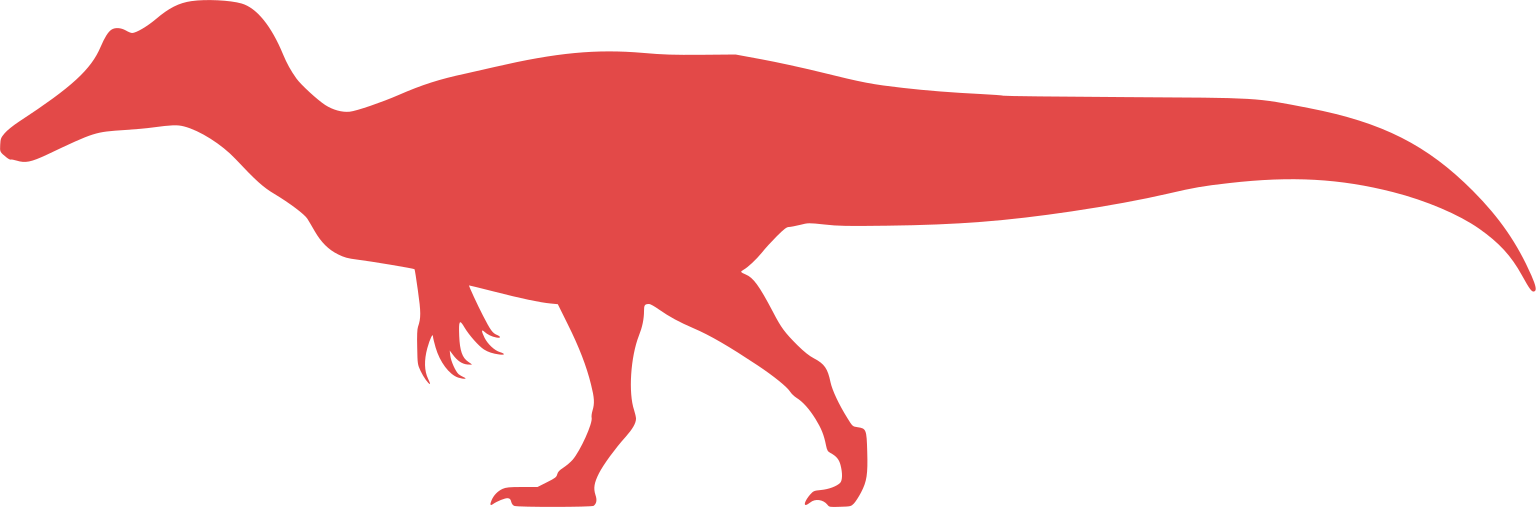 Baryonyx
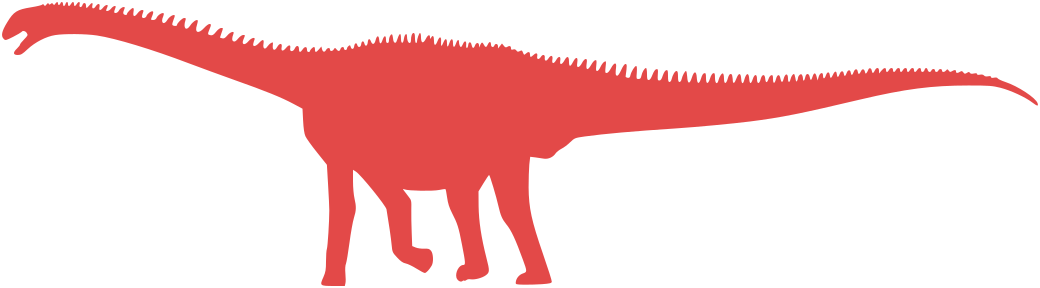 Cetiosaurus
 Mantellisaurus
Sources
Fossil records were read from the Paleobiology Database on 2026-11-16. Barilium in the Paleobiology Database (CC0).
Ancient map: Scotese and Wright 2018, PALEOMAP PaleoDEMs, doi:10.5281/zenodo.5460860, CC BY 4.0, redrawn as shaded relief.
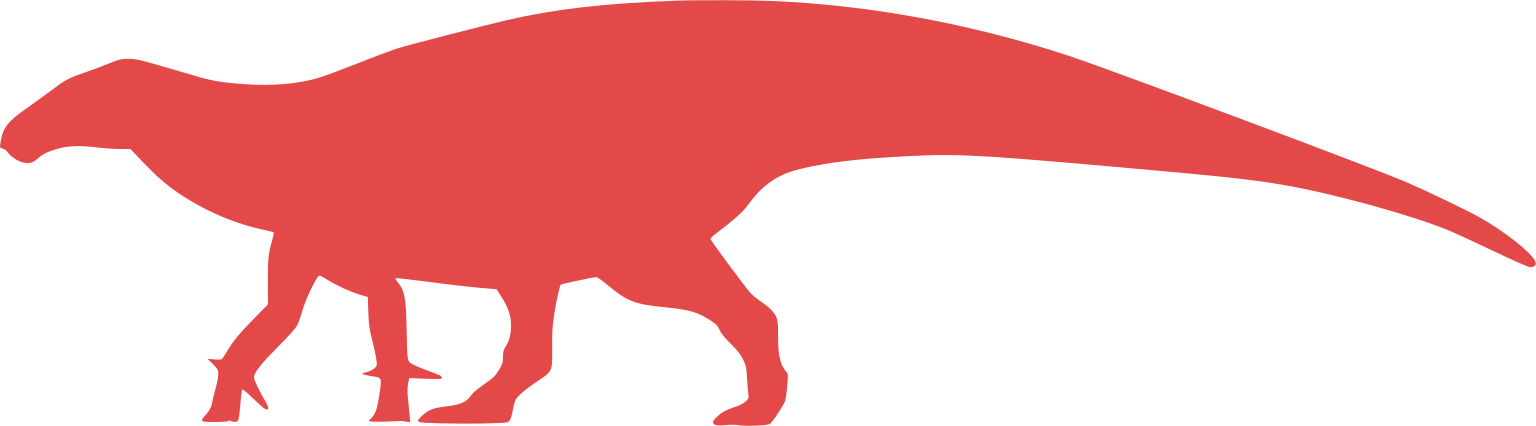
Outline: Barilium dawsoni by Will Toosey, PhyloPic, CC BY 4.0.