Pterosaurs / Long-tailed pterosaurs
Rhamphorhynchus
Pterosaur Late Jurassic
Rhamphorhynchus was a long-tailed pterosaur, a flying reptile that lived in the Late Jurassic, 155 to 143 million years ago. It was not a dinosaur.
- Wingspan
- 1.8 m
- Lived
- 155 to 143 million years ago
- Fossil finds
- 30
Size
The size of Rhamphorhynchus
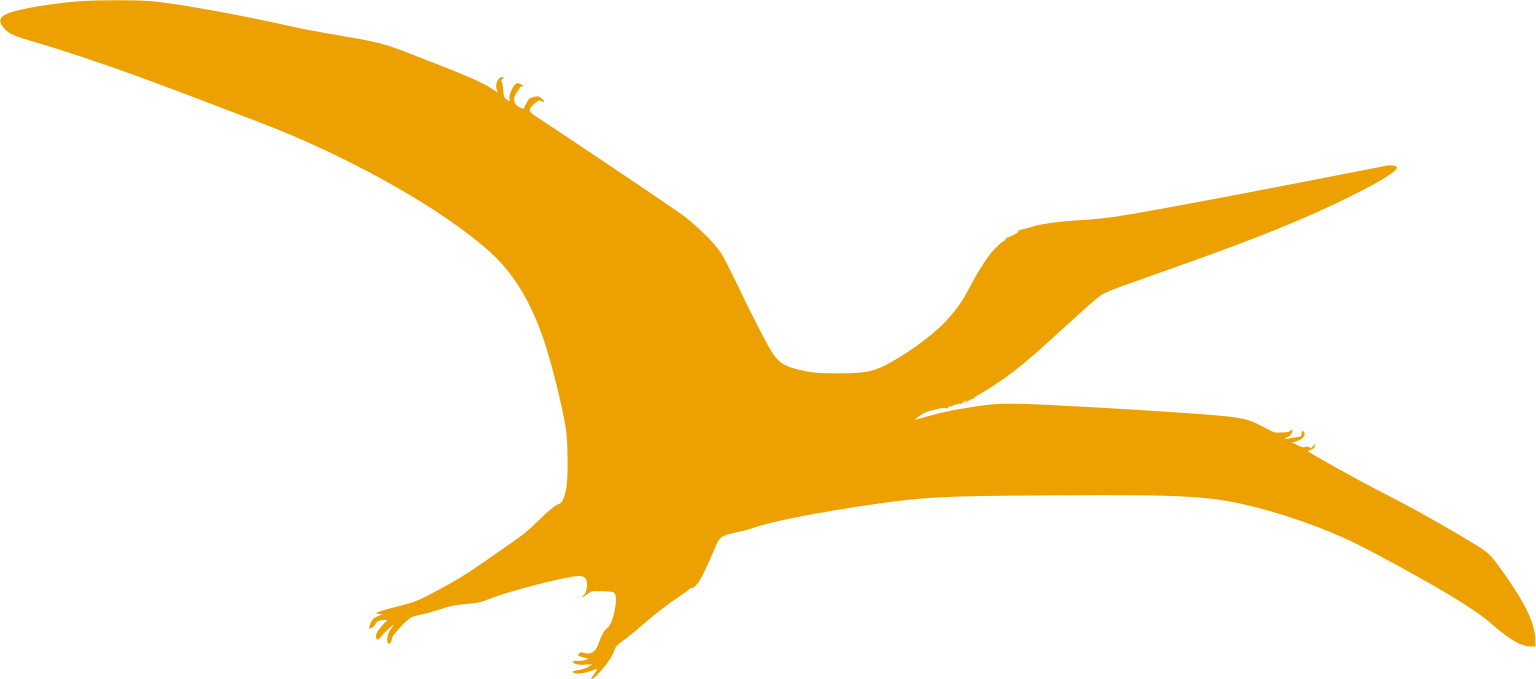
Outline of Pteranodon longiceps, standing in as a general pterosaur shape with its wings spread, scaled so its width matches the estimate. A posed outline makes the comparison approximate.
Its wings are estimated to have spanned 1.8 m (5.9 ft), about as wide as an adult person is tall.
Wingspan: Benson and others, pterosaur wingspan data, CC0, read 2026-11-15.
Name
Name and family
The genus was named by Meyer in 1847.
The Paleobiology Database lists 2 species: Rhamphorhynchus etchesi and Rhamphorhynchus muensteri.
It is classed as a piscivore.
It is one of 56 long-tailed pterosaurs in the Paleobiology Database.
Family tree
- Pterosauria
- Macronychoptera
- Novialoidea
- Breviquartossa
- Rhamphorhynchidae
- Rhamphorhynchinae
- Rhamphorhynchus
Fossils
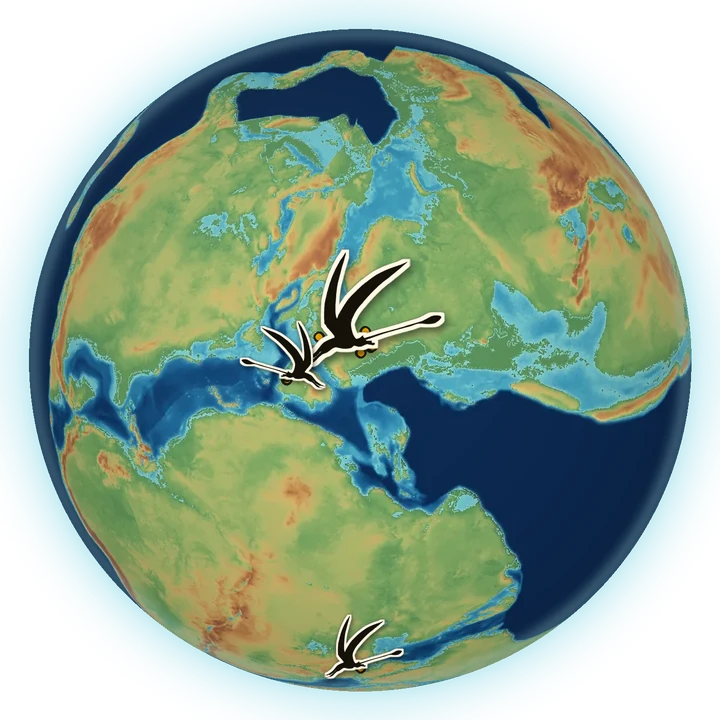
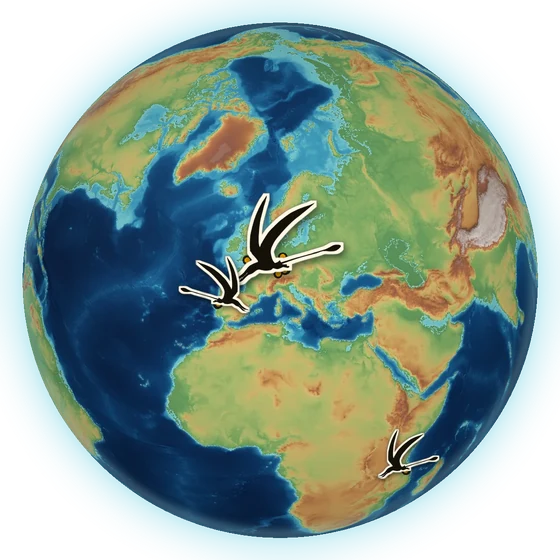
Where Rhamphorhynchus has been found
30 fossil finds of Rhamphorhynchus are recorded, in Germany, Portugal, Tanzania and the United Kingdom.
Most come from Germany (25 of 30).
The finds come from 11 rock formations, most often the Solnhofen Formation (15).
When Rhamphorhynchus lived, these sites lay near 38 degrees north; today they are near 46 degrees north.
On the atlas's maps its finds appear at 160 and 150 million years ago.
| Place | Finds | |
|---|---|---|
| Germany | 25 | |
| Portugal | 3 | |
| Tanzania | 1 | |
| United Kingdom | 1 |
Neighbours
Its world
Its closest relatives in this atlas are Dorygnathus, Nesodactylus and Angustinaripterus.
Found in the same rocks
 DacentrurusStegosaurs
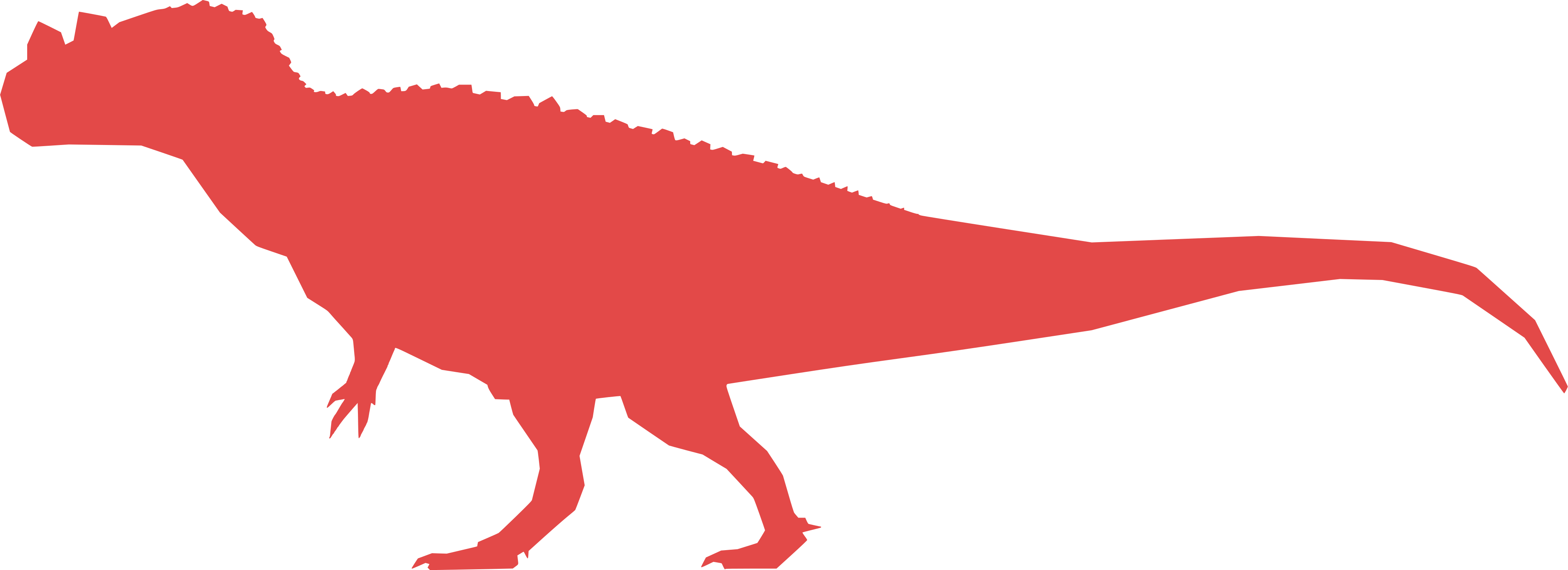 CeratosaurusCeratosaurs
 PterodactylusLong-tailed pterosaurs
 ArchaeopteryxEarly birds
- GermanodactylusShort-tailed pterosaurs
- CycnorhamphusShort-tailed pterosaurs
 AllosaurusAllosaurs
 MegalosaurusMegalosaurs
Closest relatives
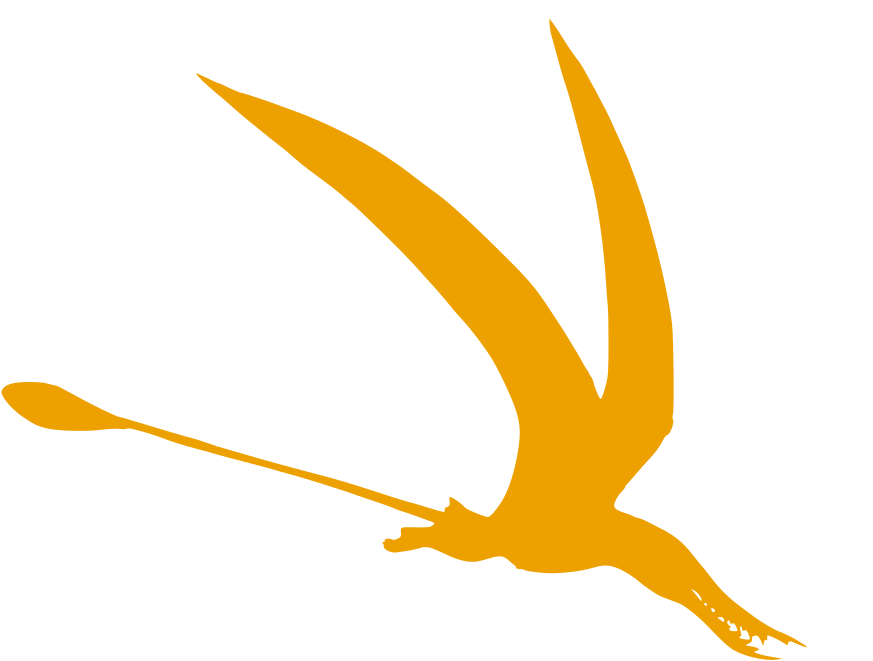 Dorygnathus
Sources
Fossil records were read from the Paleobiology Database on 2026-11-16. Rhamphorhynchus in the Paleobiology Database (CC0).
Ancient map: Scotese and Wright 2018, PALEOMAP PaleoDEMs, doi:10.5281/zenodo.5460860, CC BY 4.0, redrawn as shaded relief.
Outline: Pteranodon longiceps, PhyloPic, CC0.
The size drawing uses the outline of Pteranodon longiceps, standing in as a general pterosaur shape with its wings spread; no openly licensed outline of Rhamphorhynchus in a pose that can be measured was found.